NASA x Lamborghini Huracan GT3
The NASA x Lamborghini Huracan GT3 EVO project was born out of a collaboration between NASA's Space Act Agreement and Lamborghini's motorsport division, Squadra Corse. The aim was to explore the limits of high-performance vehicles in extreme environments, both on and off the track.
At first, the idea seemed far-fetched. After all, Lamborghinis are known for their ground-hugging stance and track-focused performance. How could such a car ever be adapted to the rigors of space travel?
But the engineers at Lamborghini were undaunted. They began by stripping down a standard Huracan GT3 EVO to its bare essentials, removing every component that wasn't absolutely necessary for high-speed driving. The result was a car that was lighter, more nimble, and more powerful than ever before.
Next, they turned their attention to the modifications necessary for space travel. The Lamborghini was fitted with an array of sensors and telemetry systems, allowing NASA to monitor the car's performance and condition in real time. A custom roll cage was also installed, to provide additional protection for the driver during launch and re-entry.
Perhaps the most challenging aspect of the project was adapting the Huracan's engine to the vacuum of space. Lamborghini engineers spent months working on a custom air intake and exhaust system that could withstand the extreme conditions of low-earth orbit. Finally, they settled on a design that used a series of baffles and chambers to regulate airflow and temperature, allowing the engine to function even in the most inhospitable of environments.
After extensive testing and development, the NASA x Lamborghini Huracan GT3 EVO was finally ready for launch. The car was fitted with a custom pod that was secured to the nose of a SpaceX rocket, which blasted off from the Kennedy Space Center in Florida.
Once in orbit, the Lamborghini was released from the pod and began its journey around the earth. The driver, a veteran astronaut named Robert Behnken, was able to push the car to its limits in the zero-gravity environment of space, hitting speeds of over 200 miles per hour.
The project was a stunning success, proving that even the most high-performance vehicles can be adapted to operate in the most extreme conditions. It also opened up new avenues for exploration and collaboration between the worlds of motorsport and space travel. Who knows what other wild and innovative projects will emerge in the years to come?

NASA x Lamborghini Huracan GT3

NASA x Lamborghini Huracan GT3
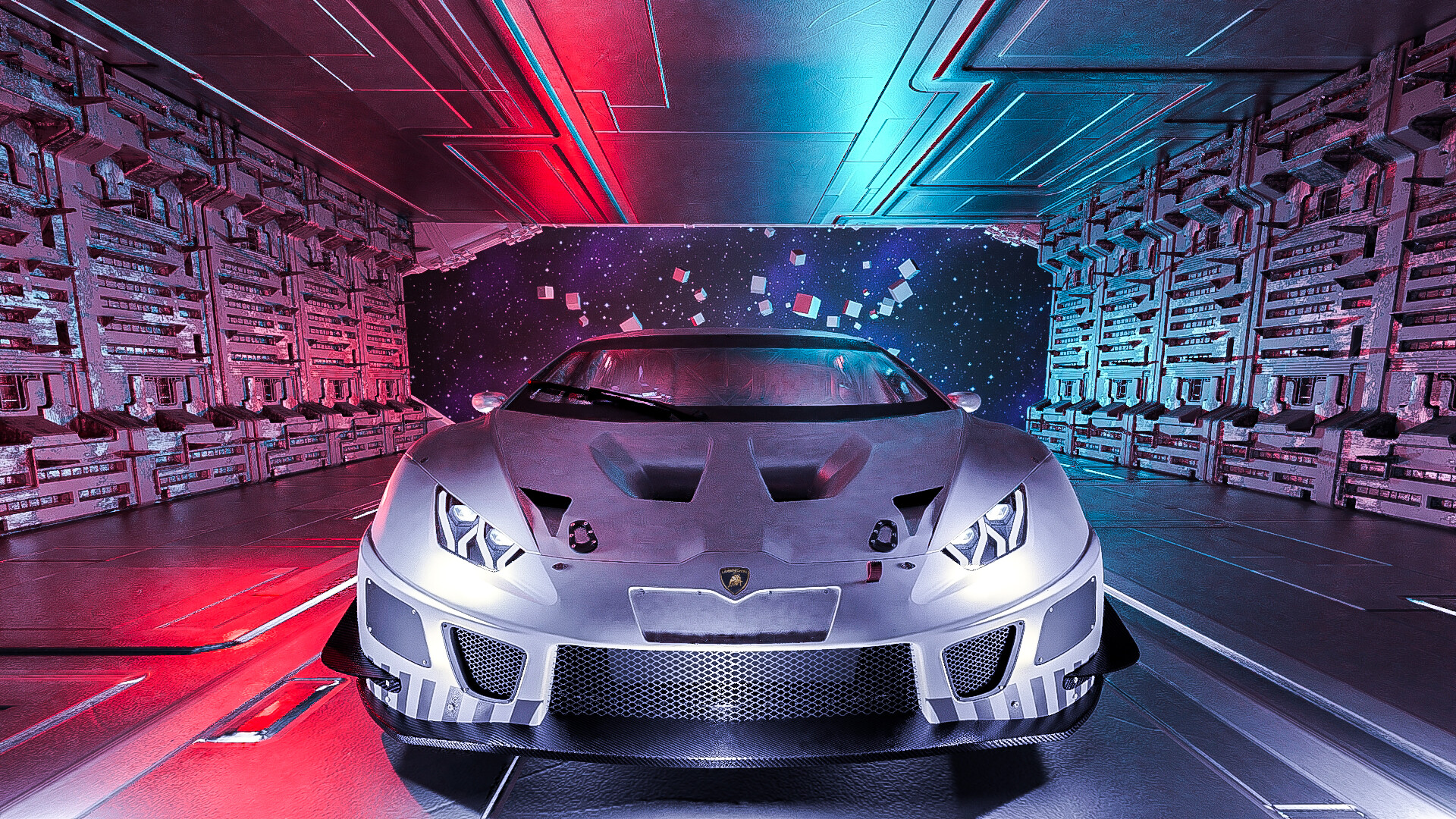
NASA x Lamborghini Huracan GT3

NASA x Lamborghini Huracan GT3

NASA x Lamborghini Huracan GT3